
Large Selection of CPAP Machines & BiPAP Machines and Supplies
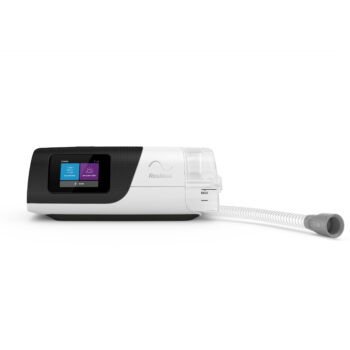
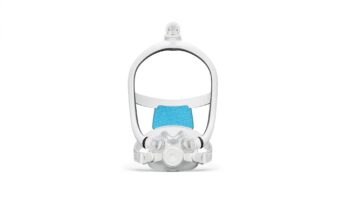
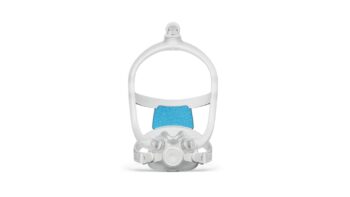
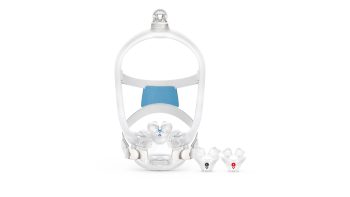
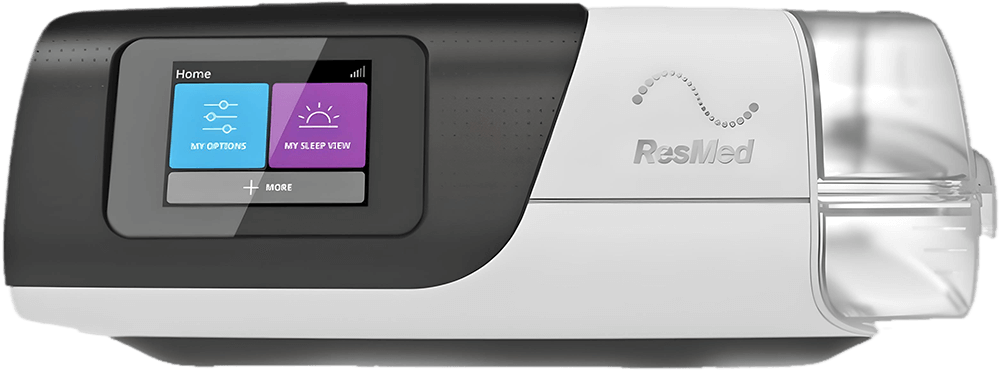
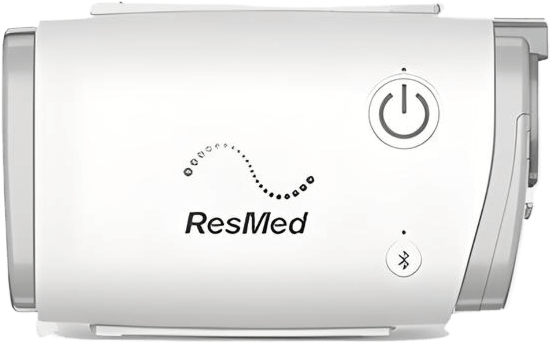
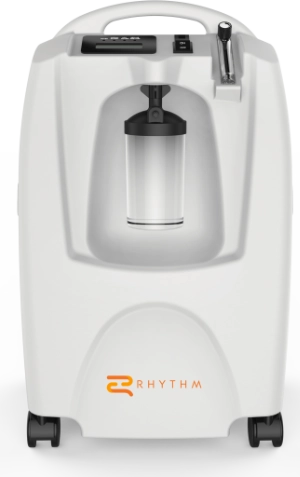
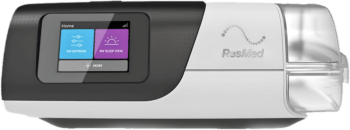
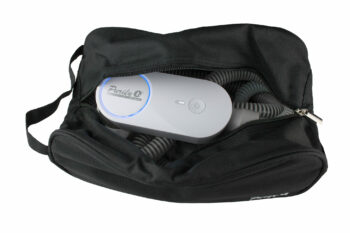
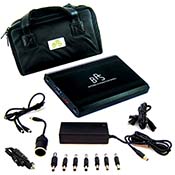
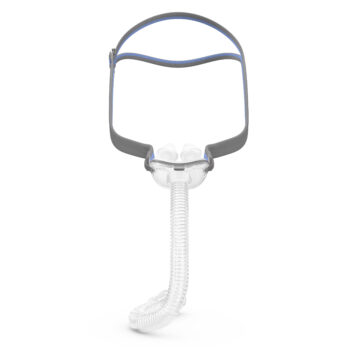
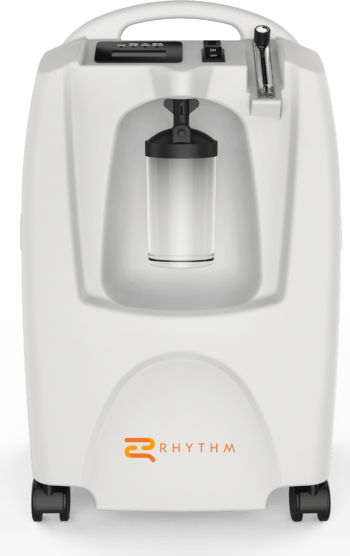
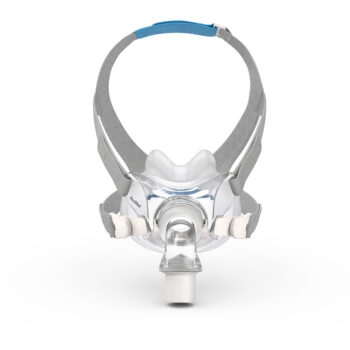
SleepRestfully.com offers a wide selection of CPAP Machines, BiPAP Machines, CPAP Mask and all the related parts and supplies necessary to make the treatment of sleep apnea more comfortable. We are authorized distributors of the finest CPAP Machines and supplies manufactured by ResMed, Philips Respironics, Fisher and Paykel, DeVilbiss, Human Design Medical, Somnetics, Apex Medical and many others fine sleep therapy companies. Please check the Resmed Airsense 11 Autoset CPAP machine price that has been our best selling device.
Our selection of CPAP equipment and CPAP supplies allows you to choose the machine, mask and/or supplies that you feel will best meet your needs, all offered at a price significantly lower than your local medical supply store.