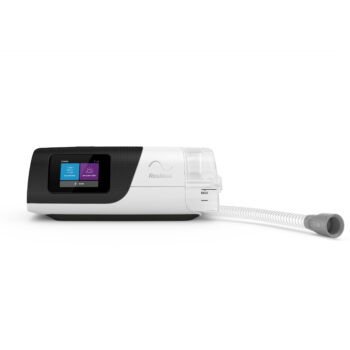
BiPAP AVAPS
Exclusive benefits for patients... and clinicians
- AVAPS (average volume assured pressure support) automatically adapts to disease progression and changing patient needs
- Maintains optimal patient comfort without compromising patient care and efficacy
- Improves ventilation efficacy*
- Simplifies the titration process
Which patients benefit from AVAPS?
Patients who develop chronic hypoventilation may find BiPAP AVAPS a more comfortable and effective NIV therapy. For example, neuromuscular, COPD, and obesity hypoventilation patients are strong candidates for BiPAP AVAPS.
AVAPS—advanced technology that simplifies patient care
It's the only way of ensuring the delivery of targeted tidal volume for noninvasive ventilation patients. Shorthand for "Average Volume Assured Pressure Support," AVAPS sets the standard in noninvasive ventilation. The exclusive AVAPS algorithm automatically adjusts pressure support to meet changing patient needs while maintaining a target tidal volume.*
Advanced leak–sensing technology with Digital Auto–Trak
Clinically–proven Digital Auto–Trak Sensitivity algorithm enables clinicians to achieve optimum patient/ventilator synchrony.
- Recognizes and compensates for leaks
- Automatically adjusts its variable trigger and cycle thresholds
BiPAP AVAPS
Specifications
| Size |
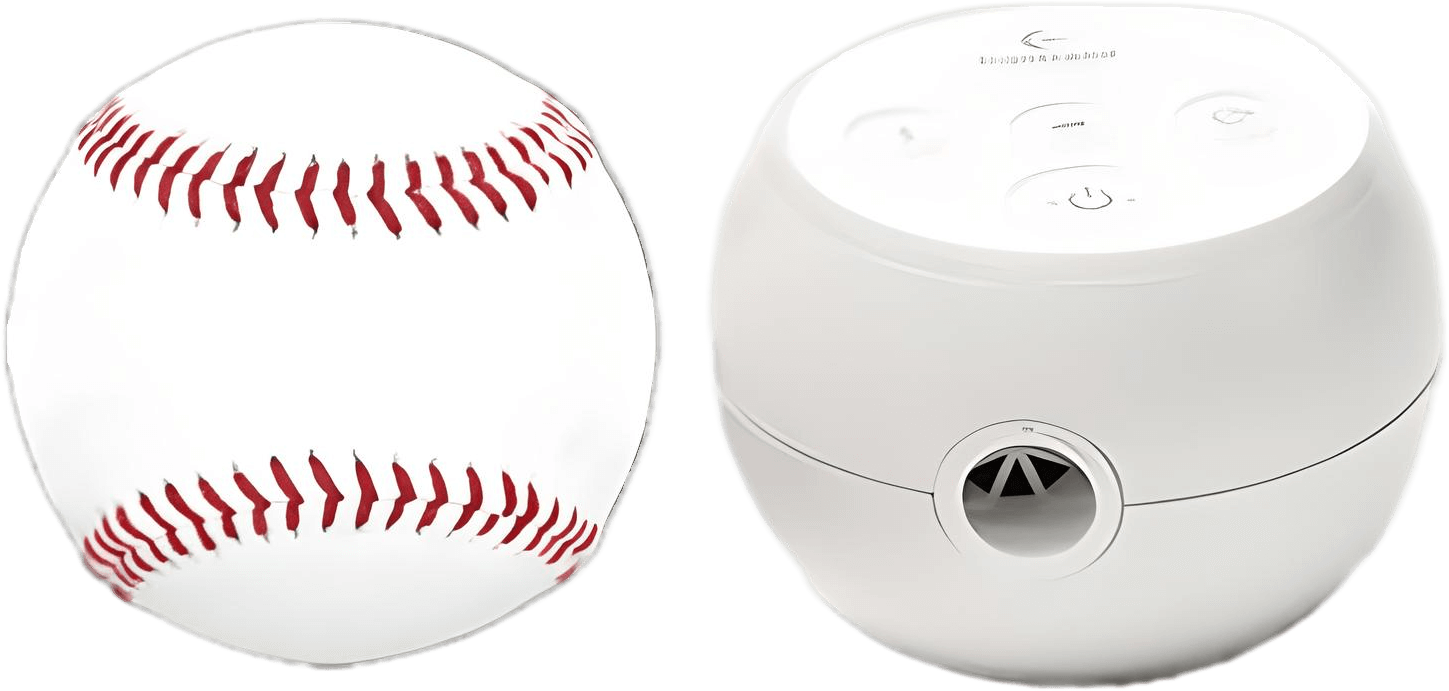
18 cm x 14 cm x 10 cm (7" L x 5.5" W x 4" H) |
| Weight |
Approximately 1.36 kg (3 lbs.) |
| Modes |
CPAP, S, ST, PC, T |
| Bi-Flex |
Available on S mode |
| Timed inspiration |
0.5 to 3.0 seconds |
| IPAP |
4 to 25 cm H2O |
| EPAP |
4 to 25 cm H2O |
| CPAP |
4 to 20 cm H2O |
| Ramp |
0 to 45 minutes |
| Breath rate |
0 to 30 BPM |
| AVAPS |
| Mode availability |
AVAPS available on S, ST, PC, and T modes |
| Target tidal volume |
200 to 1500 ml |
| IPAPmin |
From EPAP to IPAPmax |
| IPAPmax |
From IPAPmin to 25 cm H2O |
| Patient Disconnect, Apnea, Low Minute Ventilation, Low Tidal Volume (AVAPS modes only) |
| |
Operating |
Storage |
| Temperature |
5° C to 35° C
(41° F to 95° F) |
-20° C to 60° C
(-4° F to 140° F) |
| Relative humidity |
15 to 95%
(non–condensing) |
15 to 95%
(non–condensing) |
| Atmospheric pressure |
101 kPa to 77 kPa
(0-2286 m / 0-7500 ft) |
N/A |
| < 30 dBA typical at 10 cm H20 pressure |
| AC voltage source 100 to 240 VAC, 50/60 Hz, 2.1 A |
| DC power 12 VDC, 5.0 A |
| Patient pressure, leak, tidal volume, minute ventilation, and respiratory rate |
| Foam and optional ultra–fine |