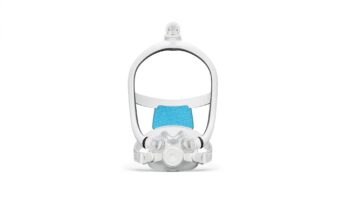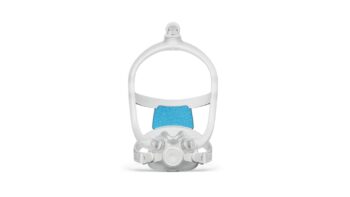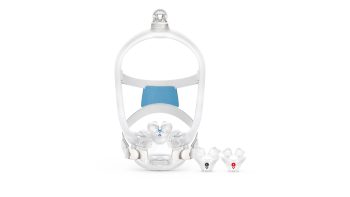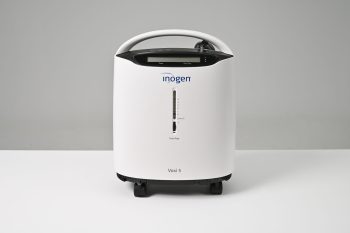
CPAP Sleep Apnea Machines : Masks : Evergo By Respironics : CPAP Supplies : Sleeprestfully.com : Portable Oxygen Concentrators : Sequal Eclipse
Sleep Therapy Equipment and Supplies for the Treatment of Obstructive Sleep Apnea including CPAP, BiPAP, and CPAP Supplies & CPAP Mask as well as Portable Oxygen Concentrators, Stationary Oxygen Concentrators and Oxygen Supplies  


Security Seal

ResMed S8 CPAP

Sleep Restfully, Inc.
3312 Marquart St., Houston, TX 77027
(866) 923-2727   (281) 840-4504     Fax (800) 540-5078 (281) 602-7791


Current News Items | Return

  « Previous | 1 | 2 | Next » 


CPAP Therapy Provides a Memory Boost for Adults With Sleep Apnea (7/12/2010)

ScienceDaily (June 11, 2010) — Continuous positive airway pressure therapy helps restore memory consolidation in adults with obstructive sleep apnea, suggests a research abstract presented June 9, 2010, in San Antonio, Texas, at SLEEP 2010, the 24th annual meeting of the Associated Professional Sleep Societies LLC.

Results indicate that OSA patients being treated with CPAP therapy outperformed untreated OSA patients on an overnight picture memory consolidation task, suggesting that CPAP is effective at recouping memory abilities that are impaired by OSA. CPAP patients correctly identified more photographs after one night of sleep.

"The most surprising result of our study, thus far, is the noticeable improvement in memory that CPAP patients experience," said lead author Ammar Tahir of the Memory Laboratory in the department of psychology at the University of Notre Dame in South Bend, Ind. "These results suggest the success of CPAP therapy in regenerating obstructive sleep apnea patients' memory deficits."

The researchers also made the intriguing discovery that OSA patients who were using CPAP therapy performed better on the memory task than a control group of people who did not have OSA. This important finding could provide direction for future research to study the effect of CPAP therapy on brain function and memory processes.

The study involved a preliminary sample of 135 adults between the ages of 33 and 65 years who were divided into three groups. The experimental group comprised 78 people who were diagnosed with OSA and had been using CPAP therapy for three or more weeks. The baseline group was composed of 50 people who were diagnosed with OSA but had not been using CPAP. The control group had 30 people who tested negative for OSA. Data from additional participants in this ongoing study were not yet available when the abstract was published.

All participants were shown 20 photographs the night before their sleep was monitored by in-lab polysomnography. The next morning they were presented with 20 pairs of photographs. Each pair contained one photo that had been presented the previous night and one similar but previously unseen image. Participants had to determine which photo in each pair was the one that they had already viewed.

The American Academy of Sleep Medicine reports that OSA is a sleep-related breathing disorder that involves a decrease or complete halt in airflow despite an ongoing effort to breathe. It occurs when the muscles relax during sleep, causing soft tissue in the back of the throat to collapse and block the upper airway. This leads to partial reductions (hypopneas) and complete pauses (apneas) in breathing that can produce abrupt reductions in blood oxygen saturation and reduce blood flow to the brain. Most people with OSA snore loudly and frequently, and they often experience excessive daytime sleepiness.

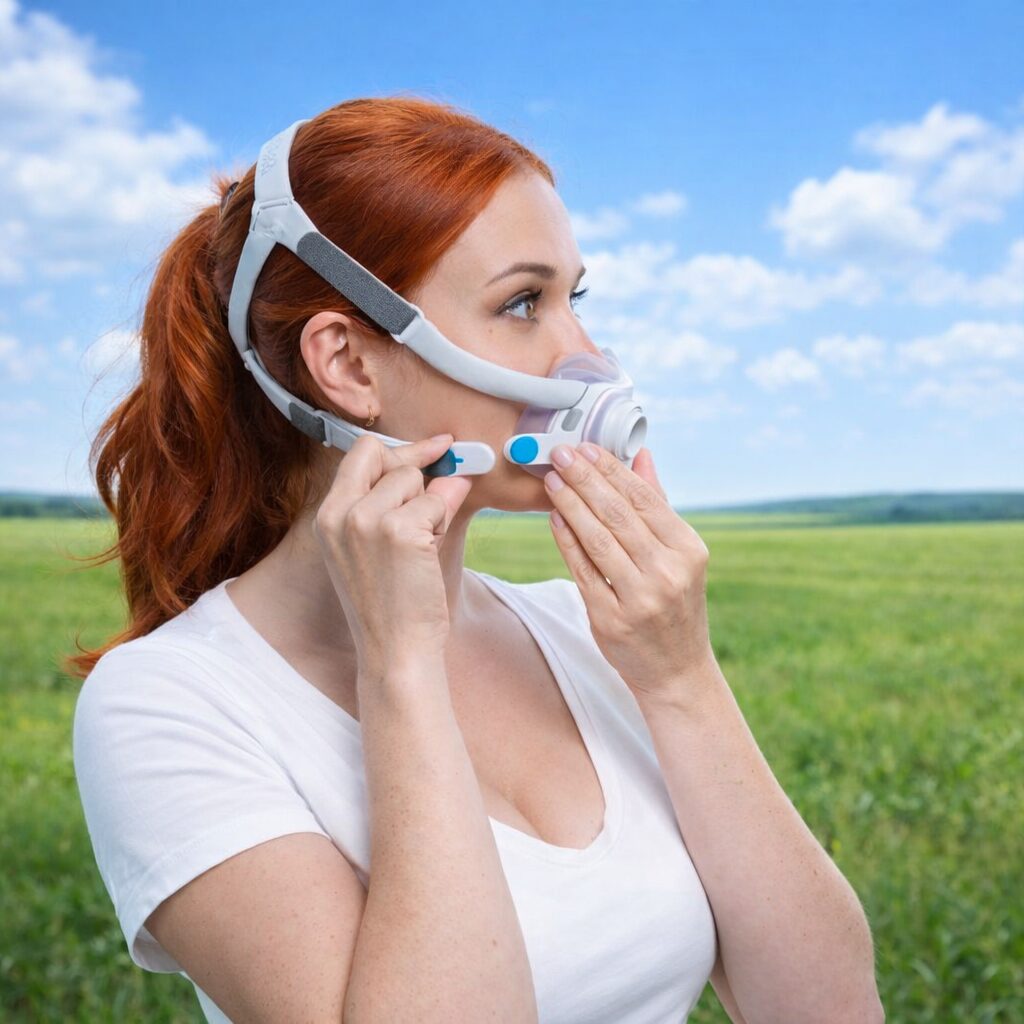
The treatment of choice for OSA is CPAP therapy, which provides a steady stream of air through a mask that is worn during sleep. This airflow keeps the airway open to prevent pauses in breathing and restore normal oxygen levels. Help for OSA is available at more than 2,000 AASM-accredited sleep disorders centers across the U.S.


Air Pollution Tied to Breathing Problems in Sleep (7/12/2010)

WEDNESDAY, June 16 (HealthDay News) -- A new study has found a link between air pollution and breathing-related disruptions during sleep.

Conducted by the Harvard School of Public Health and Brigham & Women's Hospital, the authors say this the first attempt to document a link between exposure to pollution and sleep-disordered breathing.

Breathing-related sleep disruptions come in several forms, of which the best known is sleep apnea. It causes people to repeatedly wake up when their airways constrict and breathing is cut off. In many cases, sufferers don't realize they have the condition, which can contribute to the development of heart disease and stroke.

In the study, researchers tried to discover if air pollution -- which irritates the airways -- has anything to do with sleep disruptions, which affect an estimated 17 percent of adults in the United States.

The study authors pored over data from the Sleep Heart Health Study, which examined the heart health and sleep patterns of more than 6,000 people between 1995 and 1998. They then compared those patterns to Environmental Protection Agency (EPA) air pollution data on seven cities: Minneapolis; New York City; Phoenix; Pittsburgh; Sacramento; Tucson, Ariz.; and Framingham, Mass.

The researchers analyzed data on more than 3,000 people and adjusted for factors such as age, gender, smoking and temperature so they wouldn't throw off the results.

They found that incidents of sleep apnea and low levels of oxygen during sleep went up as the temperature rose during all seasons of the year. Sleep-disordered breathing also rose during the summer as air pollution worsened.

Particles of pollution "may influence sleep through effects on the central nervous system, as well as the upper airways," wrote co-author Antonella Zanobetti in a news release, noting that the exact mechanism is unclear. "These new data suggest that reduction in air pollution exposure might decrease the severity of such sleep disruptions."

The study, funded by the U.S. National Heart Lung and Blood Institute, the EPA and the U.S. National Institute of Environmental Health Sciences, appeared online June 14 in the American Journal of Respiratory and Critical Care Medicine.


SOURCE: Brigham & Women's Hospital, June 14, 2010, news release.


Sleep Apnea Could Raise Heart Risks for Older Men (7/24/2010)

MONDAY, July 12 (HealthDay News) -- The snoring and breathing disturbances of sleep apnea may be more than just a nuisance, with a new study linking the condition to higher risks for heart failure and heart disease in middle-aged and older men.

However, the study found no correlation between sleep apnea and coronary heart disease in women, or in men older than 70.

"The key here is that there is a lot of undiagnosed sleep apnea, and that, at least in men, it is associated with the development of coronary heart disease and heart failure. Only about 10 percent of sleep apnea cases are diagnosed, " said Dr. Daniel Gottlieb, associate professor of medicine, Boston University School of Medicine.

Gottlieb noted that while the jump in heart risk was noteworthy, it was not as large as that seen in previous clinic-based studies of sleep apnea because the participants were drawn from a broad community-based population.

According to background information in the study, sleep apnea sufferers awaken suddenly during the night struggling to breathe, often experiencing a shot of blood pressure- raising adrenaline. Most often, they go right back to sleep, unaware of what happened. But the awakenings are repeated, sometimes up to 30 times an hour, depriving the sufferer of vital oxygen and sound sleep.

The research is published online July 12 in Circulation.

In the study, almost 2,000 men and about 2,500 women -- all free of heart problems at the beginning of the research -- were recorded as they slept using polysomnograms, which measured the presence and severity of sleep apnea as calibrated on the Apnea-Hypopnea Index.

About half had no symptoms of sleep apnea, the team found, while half had mild, moderate or severe symptoms.

Participants were then contacted at various times from 1998 to the final follow-up in April 2006. During that time, 473 cardiac events occurred, including 185 heart attacks, 212 heart bypass operations, and 76 deaths. There were also 308 cases of heart failure; of these 144 people also had a heart attack.

The study found that men between 40 and 70 years of age who had severe sleep apnea were 68 percent more likely to develop heart disease, and 58 percent more likely to develop heart failure, than those without the condition. Increasing severity of sleep apnea was also associated with obesity, high blood pressure, hypertension and diabetes, all of which are known contributors to heart disease.

According to the U.S. National Institutes of Health, approximately 14 million Americans suffer from coronary heart disease, the most common cause of death in the United States.

Dr. Jordan S. Josephson, a sinus, snoring and sleep apnea specialist at Lenox Hill Hospital in New York City, said the study is important because "it brings a greater awareness to the public about sleep apnea." He believes that sleep apnea, linked to heart disease through this and other studies, may be an indirect factor in many heart deaths.

Experts estimate that the condition affects 24 percent of men and 9 percent of women, but Josephson believes the numbers are actually higher because people don't know they have a problem unless a partner or spouse tells them they snore.

"Sleep apnea is [also] the number one medical cause for divorce and the ending of partnerships," added Josephson, because many couples end up sleeping apart, not sleeping well, and not functioning well during the day.

Dr. Stuart Fun Quan, another of the study's authors, agreed that the under-diagnosis of sleep apnea is "unfortunate."

"The study suggests that sleep apnea, at least in men, is a potentially remediable cause of coronary heart disease and heart failure," said Quan, a professor of medicine at Harvard Medical School, Boston.

Treatment for the condition sometimes involves a simple surgical procedure, but many people with sleep apnea opt for a mask at night connected to a Continuous Positive Air Pressure (CPAP) machine that pumps oxygen into the blood. But many with sleep apnea do not receive any treatment, Quan said, because it is often not recognized as a serious condition.

Josephson -- who believes that even plain old snoring constitutes an oxygen-depleting stress on the heart -- sounded the alarm for those who would ignore sleep apnea.

"The take-home message is that if you know you snore or have sleep apnea, or someone tells you (that) you snore, you have to go to a specialist to make the correct diagnosis," said Josephson, adding that it's vital to get treatment.

SOURCES: Jordan S. Josephson, M.D., sinus, snoring and sleep apnea specialist, Lenox Hill Hospital, New York; Dr. Fun Quan, M.D., professor, medicine, Harvard University, Boston; Daniel J. Gottlieb, M.D., MPH, director, Sleep Disorders Center, VA Boston Healthcare System, associate professor of medicine, Boston University School of Medicine; July 27, 2010 Circulation: Journal of the American Heart Association, online, July 12, 2010


  « Previous | 1 | 2 | Next » 


SeQual Eclipse | Inogen One | Invacare XPO2 | DeVilbiss iGo | Invacare SOLO2 | Travel Oxygen | Oxygen Concentrators | Pulse Oximeter | Resmed CPAP | Resmed S9 | AEIOMed CPAP | Resmed VPAP | Fisher & Paykel CPAP | Puritan Bennett CPAP | DeVilbiss IntelliPAP | Perfecto Concentrator | Covidien Sandman CPAP | Swift FX | CPAP Mask | BiLevel Machines | CPAP Machines | Portable Oxygen Concentrators | Pulse Oximeter | Sleep Apnea Machine | Sleep Comfort Care Pad | shopping security | articles  | make payment

© ResMed 2010 Use of the ResMed images, and materials is made with the permission of ResMed. ResMed owns the copyright in the text, images, drawings and materials and ResMed reserves all rights. All services provided by SleepRestfully.com are independent of ResMed. We only sell ResMed products to end users residing in the United States.

CPAP, BiPAP & Portable Oxygen Concentrators from Resmed, Respironics, Puritan Bennett, Fisher & Paykel, Covidien, DeVilbiss, Inogen, Invacare & SeQual Copyright 2007-2010