CPAP, BiPAP/BiLevel, Auto CPAP and Portable Oxygen Concentrators
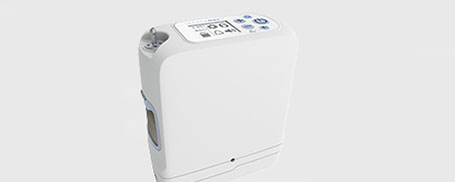
Portable Oxygen Concentrators:Including SeQual Eclipse 3,
Philips Respironics EverGo,
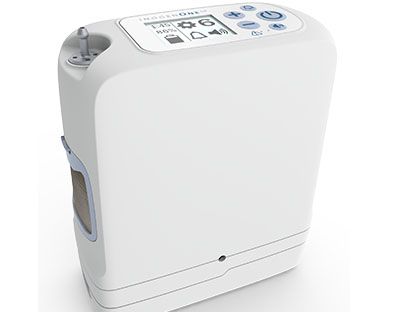
Inogen One,
Invacare XPO2 and Solo 2
and DeVilbiss iGo and the accessories necessary to allow you to continue to live your active lifestyle.
CLICK HERE TO SEE ALL OXYGEN EQUIPMENT and SUPPLIES
Stationary Oxygen
Concentrators: Includes Invacare Perfecto 2
Series of Oxygen Concentrators, Platinum 10, Invacare
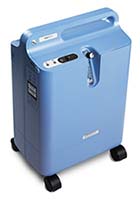
HomeFill Ambulatory System and Philips Respironics
EverFlo.
CLICK HERE TO SEE ALL OXYGEN EQUIPMENT and SUPPLIES
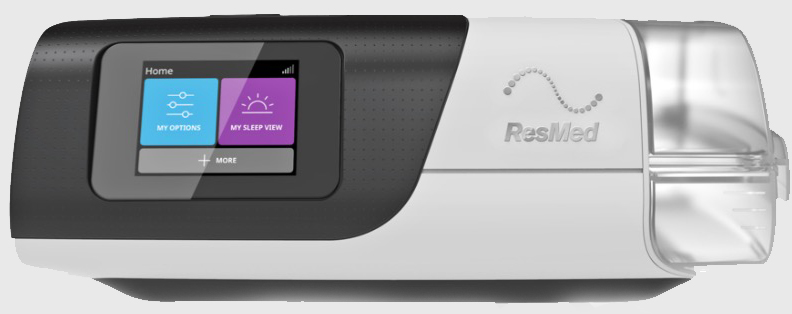
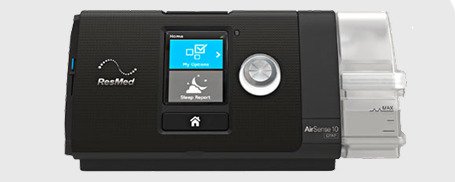
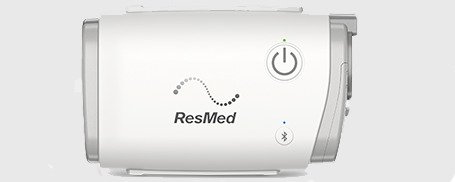
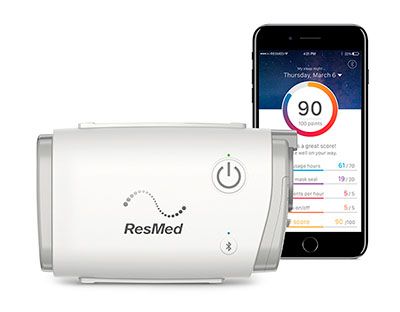
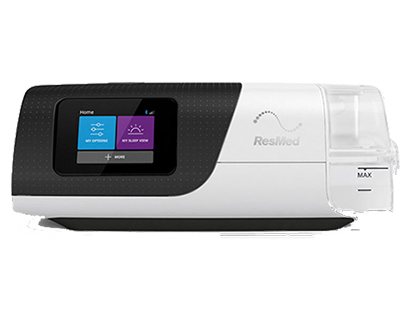
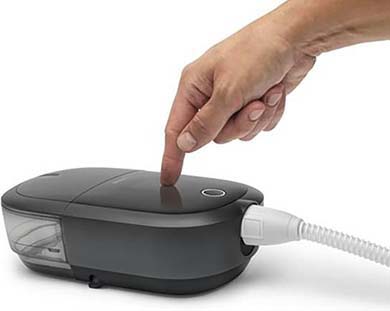
CPAP Machines:CPAP Machines for the treatment of obstructive sleep apnea from
manufactures like Resmed, Philips
Respironics, Puritan Bennett - Covidien, CareFusion, Fisher and Paykel, DeVilbiss, AEIOMed and more.
Auto CPAP Machines: Auto
CPAP Machines for the treatment of sleep apnea
manufactured by Resmed, Philips Respironics, DeVilbiss, Covidien - Puritan
Bennett and Fisher & Paykel. No longer a need for
repeated sleep studies.
BiPAP and BiLevel Machines:BiPAP, VPAP and BiLevel Machines manufactured by
Resmed, Philips respironics, Covidien - Puritan Bennett for
the treatment of obstructive sleep apnea. Including he Resmed
VPAP, Puritan Bennett Covidien Sandman Duo and
more.
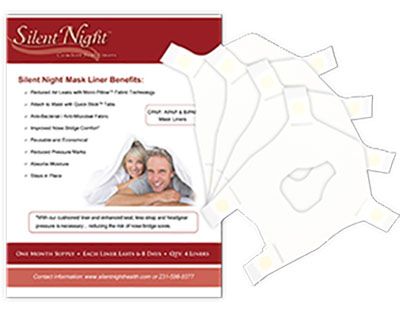
CPAP Mask and Headgear: Resmed
Swift II, Ultra Mirage, Quattro, Liberty,
SoftGel; Philips Respironics, Fisher and Paykel Flexifit and the Puritan Bennett Breeze Nasal Pillow. We stock a full line of CPAP parts for your CPAP Mask and CPAP Headgear.
Sleep apnea is a sleep disorder
characterized by pauses in breathing during sleep. Each episode,
called an apnea, lasts long enough so that one or more breaths
are missed, and such episodes occur repeatedly throughout sleep.
The standard definition of any apneic event includes a minimum
10 second interval between breaths, with either a neurological
arousal, a blood oxygen desaturation of 3-4% or greater, or both
arousal and desaturation. Sleep apnea is diagnosed with an
overnight sleep test called a polysomnogram, or a "Sleep Study".
Clinically significant levels of sleep apnea are defined as five
or more episodes per hour of any type of apnea (from the polysomnogram). There are three distinct forms of sleep apnea:
central, obstructive, and complex (i.e., a combination of
central and obstructive) constituting 0.4%, 84% and 15% of cases
respectively. Breathing is interrupted by the lack of
respiratory effort in central sleep apnea; in obstructive
sleep apnea, breathing is interrupted by a physical block to
airflow despite respiratory effort. In complex (or
"mixed") sleep apnea, there is a transition from central to
obstructive features during the events themselves.
Regardless of type, the individual with sleep apnea is rarely
aware of having difficulty breathing, even upon awakening. Sleep
apnea is recognized as a problem by others witnessing the
individual during episodes or is suspected because of its
effects on the body. Symptoms may be present for years (or even
decades) without identification, during which time the sufferer
may become conditioned to the daytime sleepiness and fatigue
associated with significant levels of sleep disturbance.
A number of manufacturers have
introduced portable oxygen concentrators. Typically,
these use some version of pulse flow or demand flow to deliver
oxygen only when the patient is inhaling. However, there are portable oxygen concentrators with up to 3 LPM of
continuous-flow oxygen. This device also has pulse flow
available to either provide higher flows or reduce power
consumption. These portable concentrators typically plug
into a wall outlet like the larger, heavier stationary
concentrators.
Portable oxygen concentrators usually can
also be plugged into a vehicle DC adapter, and most have the
ability to run from battery power as well, either for
ambulatory use or for use away from power or for airplane
travel. The FAA has approved portable oxygen concentrators
for use on commercial airlines.
Historically, demand or pulse flow
concentrators have not been used for nocturnal use—sleeping.
If the nasal cannula moves such that the concentrator is not
able to detect when the patient is inhaling, it is unable to
deliver the pulse while the patient is inhaling.
The primary pulse dose systems on the market
today are the Invacare XPO2, and Inogen One. As for portable oxygen concentrators
capable of delivering continuous flow as well as pulse dose
there are the SeQual Eclipse 3 , Invacare Solo 2 and
DeVilbiss iGo.
NOTE: Fax your prescription toll free to (800)
540-5078 or from outside the United States to (281) 602-7791, E-Mail it to
sales@sleeprestfully.com, Up Load it directly on our
site after you checkout from the "Thank You" page or we will be more than
happy to contact your physician. All orders
requiring a prescription cannot be shipped until it is received in our
office.
The Sleep Comfort Care Pad is intended for patients with Obstructive
Sleep Apnea (OSA) who experience pain and discomfort on or around the
bridge of their nose associated with using nasal or full face masks.
The pad acts
as a cushion between the patient's face and mask, and is simply placed
across the bridge of the nose under the mask.
5" x 8", 62 wipes per cannister.
Contains a unique formula designed for effective cleaning of ALL types of
CPAP, BiPAP and oxygen therapy masks. Great for daily cleaning and
deodorizing of CPAP mask, tubing, humidifier and machines.
The HoseBuddy
CPAP Hose Holder fits between your mattress and box spring to lift your
CPAP hose above you while you sleep. The arm swivels back and forth as you
turn, keeping you from rolling over on the hose or having to wake up and
make adjustments during the night.
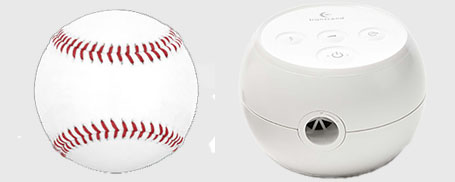
Icon CPAP by Fisher & Paykel
- Soon to be Released
The F&P ICON has been designed from the outside-in to answer the strong
call for a contemporary, compact CPAP that blends seamlessly into any
bedroom environment, helping to break down some of the traditional
resistance associated with CPAP therapy. The first CPAP machine with a
built in alarm clock and MP3 player.